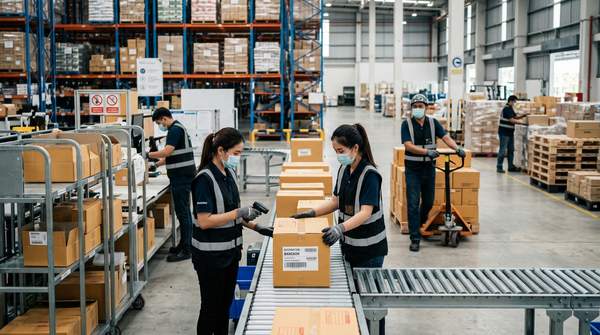
A memory chip worker at Samsung, earning a base salary of approximately $53,400, is now expected to receive a bonus of about $416,000, mostly paid in stock, after a recent profit-sharing deal, according to The Guardian. This substantial payout for a non-executive role redefines wealth distribution within the company.
The AI chip boom generates record profits for tech giants, but these companies are increasingly compelled to share an unprecedented portion of that wealth directly with their workforce. Employees working on Samsung's semiconductor AI chips will receive bonuses averaging approximately €350,000 after striking a profit-sharing agreement, as reported by Euronews.
The Samsung deal establishes a new precedent for how AI-driven wealth is distributed, setting a benchmark for labor demands in other high-growth tech sectors. Averting an 18-day strike, 74% of union members, over 60,000 people, voted in favor of this profit-sharing deal, according to Euronews, underscoring labor's newfound leverage.
What are the AI bonus amounts in South Korea's tech?
Employees at Samsung Electronics’ memory chip division will receive bonuses averaging about £310,000 each, according to The Guardian. This figure varies across reports, with some estimates citing approximately €350,000 from Euronews, and DW.com mentioning roughly $370,000, according to DW.com. These discrepancies may reflect different currency conversions, specific employee groups, or varying reporting methodologies. The most striking example: one memory chip worker, earning a base salary of approximately $53,400, was expected to receive a bonus of about $416,000, mostly paid in stock, according to The Guardian. This payout represents nearly eight times their annual income for a non-executive role. The agreement covers around 78,000 employees, approximately 60% of Samsung's workforce, who are eligible for these significant bonuses, DW.com reported.
This scale of distribution, reaching 60% of Samsung's workforce with bonuses up to eight times base salary, forces a re-evaluation of labor's stake in the AI economy. It is a direct challenge to the traditional model of wealth concentration, asserting that frontline innovation merits direct, substantial compensation beyond standard wages.

Why are AI chip profits driving wealth sharing?
Samsung's first-quarter operating profit soared roughly 750% year-on-year, according to DW.com. This dramatic increase directly correlates with the surging global demand for AI-related semiconductors, a sector where Samsung holds a significant market position. The company's immense profitability from AI chips created an unavoidable leverage point for labor.
The 74% union vote for the profit-sharing deal, which averted an 18-day strike, shows how the AI era empowers organized labor. Companies now face increasing pressure to share their windfalls or risk significant operational disruption. This marks a fundamental shift: labor is no longer merely negotiating wages, but demanding a direct share of the unprecedented profits generated by technological advancement.
How is South Korea managing its AI chip boom?
Policymakers in South Korea actively manage the AI-fueled chip boom, according to Bloomberg. This government involvement confirms a recognition that the AI boom's economic effects extend beyond corporate balance sheets, demanding broader societal management and equitable distribution.
This broader oversight includes considerations for wealth distribution. By distributing bonuses largely in stock to 78,000 employees, Samsung transforms a vast segment of its workforce into significant stakeholders. This move establishes employee ownership as a strategic mechanism to retain talent and align interests in a hyper-competitive AI landscape, potentially fostering a more stable, engaged workforce.
What are the implications for tech labor?
The Samsung agreement sets a profound precedent for labor negotiations within the global tech industry. This landmark deal will empower workers in other high-growth tech sectors to demand similar profit-sharing structures, fundamentally reshaping labor relations in the AI economy.
Companies must now demonstrate how the benefits of AI-driven productivity are distributed beyond executive compensation and traditional shareholder returns. The focus shifts towards broader employee ownership and direct profit-sharing as essential means to attract and retain talent in competitive markets, redefining corporate responsibility.
The Samsung deal, rooted in the AI chip boom of 2026, appears likely to accelerate a global re-evaluation of labor's rightful share in the profits of technological progress, particularly within high-growth AI sectors.