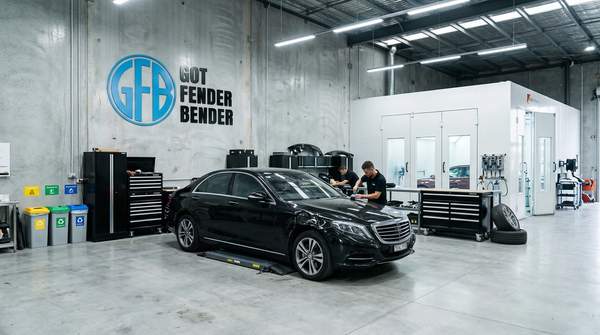
A scraped bumper or dented body panel does not always need to be replaced. Depending on the material, location and severity of the damage, repairing an existing component may restore its appearance while avoiding the need for a new part. Got Fender Bender, an independently operated auto body repair business in Bellevue, Washington, makes environmentally conscious practices part of its approach to affordable minor collision repair.
The company says it recycles wherever possible and uses recycled and remanufactured auto parts when appropriate. This approach connects two concerns that matter after a minor collision: the cost of restoring a vehicle and the amount of material that may be discarded during the repair process.
Understanding what repair-first methods can accomplish, where they have limitations and how to choose a suitable shop can help drivers make informed decisions about their damaged vehicles.
Why Repairing Existing Parts Can Matter
Vehicle components require materials and energy to manufacture, transport and install. When a damaged part can be restored properly, keeping it in service may avoid some of the material use associated with manufacturing and installing a replacement.
Plastic bumper covers provide a familiar example. A scrape, gouge or certain cracks may be repairable, depending on the bumper's construction and condition. Appropriate methods can include sanding, surface preparation, reshaping, filling, refinishing and plastic welding where suitable.
Repair is not possible in every case, and the environmental benefit varies with the process used. A heavily damaged component may need replacement, particularly when its condition affects mounting, fit or function. The important distinction is that replacement should be based on the actual requirements of the repair rather than assumed to be necessary for every visible defect.
Got Fender Bender's approach is centred on assessing the damage and identifying an appropriate repair method. Its website describes repairing certain bumper covers instead of replacing them, including examples involving plastic welding and stapling.
Understanding Recycled and Remanufactured Auto Parts
Recycled and remanufactured components can offer alternatives to new parts, depending on the vehicle and the repair involved. Recycled parts may be recovered from existing vehicles and reused when their condition and compatibility make that appropriate. Remanufactured parts undergo a process intended to restore them to a usable condition, although the exact process and standards vary by component and supplier.
These options can reduce the need for newly manufactured parts in suitable circumstances. They may also affect the overall repair cost, but savings are not guaranteed. Availability, condition, compatibility, labour and warranty terms all influence whether an alternative part is appropriate.
Not every component should be selected solely on price or environmental considerations. Parts related to structural integrity, crash performance or safety systems require particular care. The technician must confirm that a proposed part is suitable for the vehicle and the intended repair.
Got Fender Bender states that it purchases recycled and remanufactured auto parts where appropriate as part of its environmentally conscious approach. Customers can ask whether these options are available for their particular vehicle and how they compare with other suitable choices.
The Environmental Case for Bumper Repair
Bumper damage is common after low-speed impacts, parking mishaps and contact with obstacles. Although the exterior damage may look dramatic, some bumper covers remain repairable.
A repair can involve restoring the damaged area, preparing the surface and refinishing it to match the vehicle. When the component can be repaired reliably, this may avoid discarding the existing cover and sourcing another one. It can also reduce the need for certain replacement materials and related transport.
Got Fender Bender's published pricing examples describe different levels of bumper work, from sanding and paint blending to more involved repairs. One example involves plastic welding to rebuild a damaged bumper where repair is suitable. The website also recognises that some bumpers are damaged beyond repair.
That distinction is central to responsible repair. The goal is not to avoid every replacement. It is to avoid unnecessary replacement while ensuring that the finished vehicle is appropriately repaired.
Repair Quality Still Comes First
Environmental considerations should never be used to justify a repair that is unsuitable for the damage. A bumper can conceal broken brackets, damaged mounting points or problems with sensors and other equipment. More substantial impacts may affect components behind the visible exterior panel.
A technician should assess the damage before recommending a method. If the bumper has severe cracks, extensive deformation or damage that compromises fit and function, replacement may be necessary. Any safety-related concerns require appropriate inspection rather than a cosmetic fix alone.
Paintwork also deserves attention. A successful repair should address the damaged surface and produce a finish that blends appropriately with the surrounding paint. Depending on the damage, this may involve sanding, filling, colour matching and paint blending.
When requesting an estimate, ask which repairs will be performed, whether paintwork is included and whether the existing bumper can be restored appropriately. These questions help establish whether the proposed approach addresses the full scope of the damage.
Affordable Repairs and Environmental Responsibility
Cost is often the first concern after a collision. Drivers want to restore their vehicles without paying for work they do not need, but they also want confidence that the repair will hold up and look right.
Repairing a suitable component may offer a practical middle ground between leaving the damage untreated and replacing the entire part. However, the actual price depends on the vehicle, the extent of the damage, the materials involved and the labour required.
Got Fender Bender publishes example front and rear bumper repair prices of $795, $895, $995 and $1,095. The tiers describe different repair requirements, and the website notes that its stated replacement pricing does not include the bumper cover itself. These figures should be confirmed directly with the shop because the appropriate repair and current cost depend on the individual vehicle.
An estimate should explain what is included, whether replacement parts are necessary and what additional work may be identified during inspection. A lower quote is not automatically better if it leaves out work needed to restore the vehicle properly.
What to Ask an Auto Body Shop About Sustainable Repairs
Drivers do not need specialist knowledge of automotive materials to ask sensible questions about repair methods and parts. A transparent discussion can clarify both the practical and environmental aspects of a proposed job.
Ask whether the damaged component can be repaired safely and effectively, or whether replacement is necessary. If a replacement is recommended, find out why repair is unsuitable. Where compatible alternatives are available, ask whether recycled or remanufactured parts are an option and whether their condition, fit and warranty meet the requirements of the repair.
It is also useful to confirm the scope of the paintwork, the expected timeline and the warranty terms. If a shop makes specific environmental claims, ask what those claims are based on rather than relying on broad labels such as “green” or “eco-friendly.”
Got Fender Bender describes recycling, alternative parts and repair-focused methods as part of its business philosophy. Customers can discuss those options when requesting an estimate for minor collision damage.
A Local Option for Environmentally Conscious Repairs in Bellevue
Got Fender Bender has operated independently since 2004 and serves Bellevue and the surrounding Eastside area. Its focus is affordable minor collision repair, with service categories that include front and rear bumpers, doors, fenders, quarter panels and hatchbacks.
The company provides a quote-request form and publishes examples of its repair pricing. Its approach gives drivers an opportunity to discuss whether an existing component can be restored before deciding on replacement. Repair suitability, cost and timing depend on the condition of the vehicle and should be confirmed during the estimate process.
If your vehicle has suffered a scrape, dent or bumper crack, contact Got Fender Bender to discuss the available repair options. A professional assessment can help you understand the work required, compare suitable alternatives and consider a repair-first approach where the damage permits.
Choosing an appropriate repair method can support both sensible vehicle maintenance and more considered use of automotive materials. The first step is a clear estimate based on the actual condition of the vehicle.