Sparks Film School provides engaging, hands-on filmmaking and animation courses designed specifically for children and teenagers. It offers a creative space where young people can learn to write, direct, shoot, and edit their own movies, developing technical skills and personal confidence along the way. For parents seeking a constructive and fun activity for their kids, understanding what makes this program special is key.
Understanding Youth Media Education and Sparks Film School
Youth media education involves teaching young people to create and critically analyze media. It goes beyond simple consumption, empowering them to become active creators. While many extracurricular activities exist, programs like those at Sparks Film School offer a unique blend of artistic expression and technical skill development. In recent years, participation in lessons and clubs outside of school has grown.
Data from the Census Bureau shows that in 2020, 37% of girls and 27% of boys were taking lessons of some kind, an increase from previous years. Similarly, 29% of girls and 24% of boys were involved in clubs. This trend highlights a growing interest in structured, skill-based activities for children. A common misconception is that film school is only for children who want to become professional directors. In reality, the skills learned—such as teamwork, problem-solving, and communication—are valuable in any future career. Sparks Film School focuses on this holistic development, making it different from purely technical training.
Core Pillars of Creative Film Production
At Sparks Film School, the curriculum is built around the practical experience of creating a film from start to finish. The school provides a hands-on filmmaking experience that covers all aspects of production. Students learn by doing, which helps demystify the moviemaking process and makes it accessible for young creators. The core components of their programs include:
- Writing: Students learn to develop story ideas, create characters, and structure a script.
- Directing: This involves learning how to guide actors and lead a crew to bring a creative vision to life.
- Camera Operation: Young filmmakers get hands-on experience with camera settings, shot composition, and movement.
- Acting for Camera: Participants build confidence and expression by performing roles in their own movies.
- Editing: Students learn to assemble footage, add sound, and apply effects to finalize their film.
- Production Design: This covers the visual aspects of filmmaking, including creating props and sets.
Inside the Sparks Film School Workshop Model
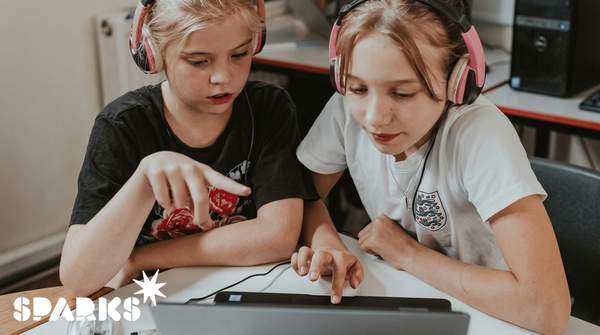
The workshop model at Sparks Film School is designed to be interactive, collaborative, and incredibly fun. Rather than sitting through long lectures, students are immediately immersed in the creative process. A typical workshop guides a small crew of young people through the entire production pipeline, from brainstorming an initial idea to celebrating the final cut. Instructors facilitate the process, but the students themselves take on the key roles of a real film set, such as director, camera operator, and editor. This project-based learning ensures that every child is actively involved. For example, one group might be working on a short animated movie, learning storyboarding and stop-motion techniques, while another group is outside shooting a live-action scene they scripted themselves. The emphasis is on teamwork and creative problem-solving. This approach helps children and teenagers learn not only the technical skills of filmmaking but also how to communicate their ideas, listen to others, and work together to achieve a shared goal. The hands-on format allows them to cover everything from writing and design to being on both sides of the camera, ensuring a comprehensive and engaging experience.
Why In-Person Creative Collaboration Matters for Children
While online learning has its place, the hands-on, in-person classes offered by Sparks Film School provide unique benefits for a creative field like filmmaking. Working together in a physical space allows for immediate, real-time feedback and fosters a strong sense of community. According to research on learning environments, social interaction and hands-on experiential learning are significant advantages of traditional classroom settings. When children collaborate on a film set, they learn to negotiate roles, share ideas, and solve problems as a team. This builds crucial social skills and confidence. For instance, a shy child might find their voice while directing a scene, or an energetic child can channel their focus into operating the camera. The structured, face-to-face environment at Sparks Film School provides a supportive and welcoming space for all personality types to thrive and express their creativity together.
Sparks Film School's UK-Wide Educational Network
One of the most significant aspects of Sparks Film School is its accessibility. Operating a network of 35 film schools across the UK, it is one of the most widespread providers of youth filmmaking education in the country. This extensive network means that families in many different regions can access high-quality, specialized creative programs without having to travel to a major city. Each location maintains the core mission of providing a fun, hands-on learning environment where kids can explore their passion for movies. The presence of Sparks Film School in numerous communities ensures a consistent educational standard and curriculum, allowing children to develop their skills in a familiar and supportive setting. Whether a family is looking for after-school film programs or engaging summer animation camps, the school's broad reach makes it a convenient and reliable option for parents across the UK.
From Concept to Screen: Youth Project Outcomes
The ultimate goal at Sparks Film School is for every student to leave with a finished film they can be proud of. The process transforms an abstract idea into a tangible piece of art, which is a powerful and rewarding experience for a young person. Imagine a child who starts with just a spark of a story about a time-traveling pet. Through the program, they learn how to write a script, storyboard the scenes, direct their friends as actors, and edit the final footage. The final outcome isn't just a movie; it's a testament to their creativity, dedication, and newfound skills. This sense of accomplishment is a core part of the Sparks Film School experience. The engaging creative process helps build confidence and shows children that they are capable of bringing their most imaginative ideas to life, from the first brainstorm to the final credit roll.
Empowering Tomorrow's Storytellers Today
Ultimately, choosing an extracurricular activity is about finding a space where your child can grow, learn, and have fun. Sparks Film School offers an environment that nurtures creativity while teaching practical skills in filmmaking and animation. For any parent considering a creative outlet for their child, the most important factor is whether the program can inspire a lasting passion. Exploring a free trial class could be the first step toward discovering your child's inner filmmaker.
Frequently Asked Questions About Sparks Film School
How can my child try a class before we sign up?
Sparks Film School understands that parents and children may want to experience a class before making a commitment. For this reason, the school offers a risk-free free trial taster session. This allows prospective students to get a feel for the hands-on activities, meet the instructors, and see if the creative environment is the right fit for them. It's an excellent way to explore the world of filmmaking and animation without any initial pressure.
What age groups are the courses for?
The programs at Sparks Film School are designed for children and teenagers. The curriculum is tailored to be age-appropriate, ensuring that the activities are both challenging and enjoyable for different developmental stages. Whether your child is a curious youngster just starting to explore storytelling or a teenager looking to develop more advanced skills, there are courses designed to match their interests and abilities, fostering a fun and welcoming environment for everyone.
What practical skills will my child learn?
Students at Sparks Film School learn the entire filmmaking process from beginning to end. The hands-on courses cover all the creative and technical roles involved in a production. This includes scriptwriting, directing, camera operation, acting, and editing. They also delve into production design, creating props and sets for their stories. This comprehensive approach ensures that children gain a well-rounded understanding of how movies are made, all while working as part of a creative team.
How many Sparks Film School locations are there?
Sparks Film School operates a broad network of schools to make its programs accessible to more families. There are 35 film schools located across the UK. This widespread presence allows children in various regions to participate in high-quality filmmaking and animation workshops close to home, making it a convenient option for after-school clubs, weekend classes, and holiday camps.